
After years working in design, I keep seeing the same thing: clients come in asking for a logo, but what they actually need is a brand.
Those two aren’t the same. And mixing them up is one of the most expensive mistakes a small business can make.
A few years ago I worked with a hair salon. The owner wanted “just a nice logo for the entrance.” We made it. Three months later, nothing had changed. So we sat down and actually defined things: who is she for, what problem does she solve, how do people feel when they walk in. We changed the tone of her messages, how she responded to inquiries, and made sure the photos were consistent. The logo stayed almost the same. The brand changed. Six months later, she was fully booked without spending a dime on ads.
That’s why I wrote this guide. No buzzwords, no shortcuts. Just what actually works.
1. A Brand Is Not Your Logo
Your logo is part of your brand. So are your colors, your fonts, your website. But the brand itself is less tangible — it’s what people think and feel when they encounter your business, even after they’ve closed the tab.
Ask yourself: if someone visited your site today and left without buying, what impression would they walk away with? That impression — positive, negative, or forgettable — is your brand in action.
In practical terms, your brand is shaped by:
- How you communicate (your tone, your words, how fast you reply)
- How you solve problems (especially when things go wrong)
- How you look across every touchpoint
If you want to build something that lasts, start by deciding what feeling you want to leave behind.
2. Positioning: Stop Trying to Appeal to Everyone
The most common branding mistake I see — especially with small businesses — is trying to appeal to everyone. The result is messaging that resonates with no one.
Good positioning starts with three honest questions:
- Who exactly do I help?
- What do I solve better than others in my space?
- Why would someone choose me over a cheaper or more established alternative?
Here’s what that looks like in practice:
“I’m a graphic designer” — that’s a service description. “I help small businesses look more professional so they can charge what they’re actually worth” — that’s a brand position.
The second version tells a specific person exactly why they should pay attention.
3. Visual Identity: Build a System, Not a Mood Board
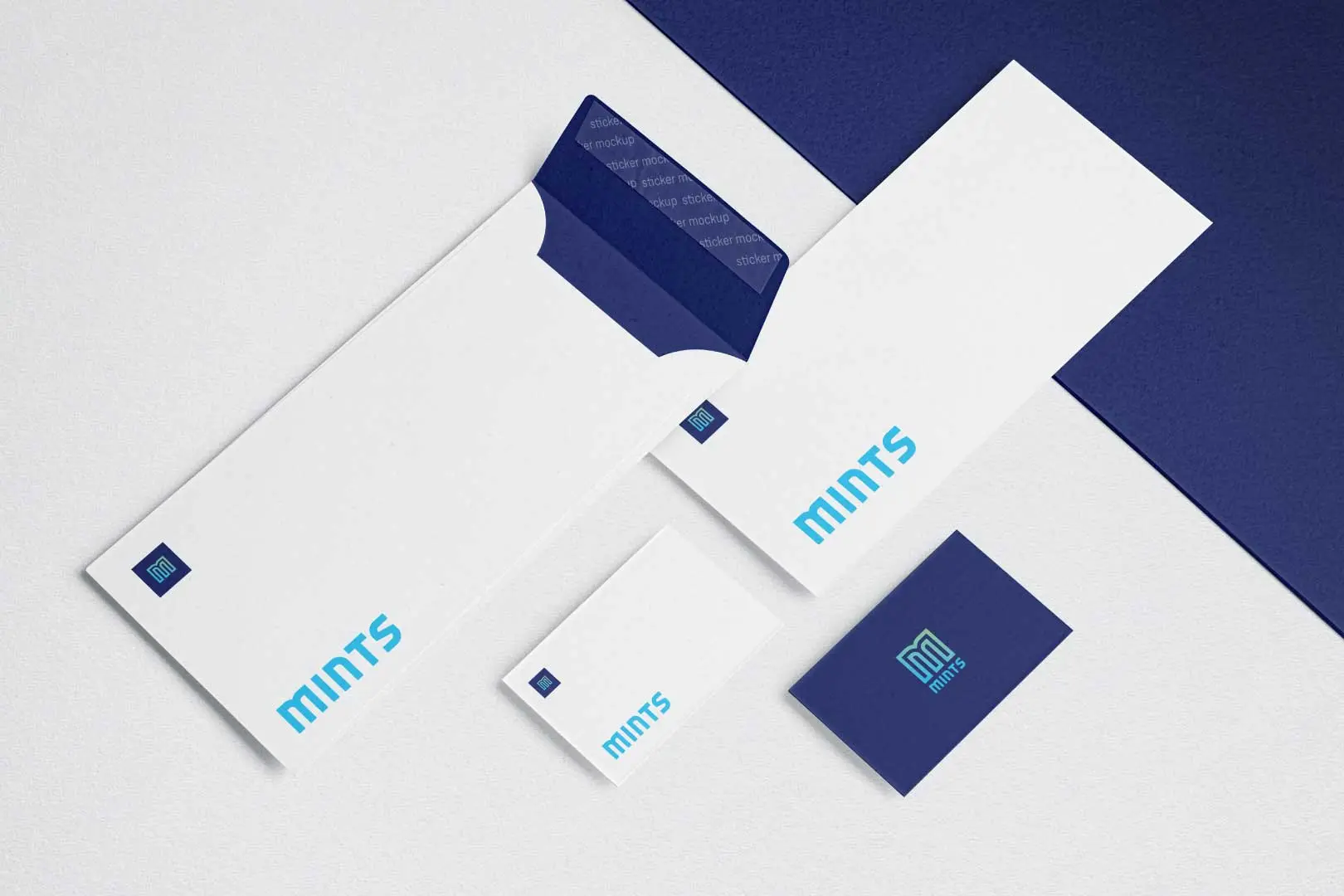
Your visual identity needs to work everywhere — your website, social media, proposals, email signature, packaging if you have it. That means it has to be a system, not just a collection of things that look nice on Pinterest.
A solid visual identity typically includes:
- A logo that works in multiple formats and sizes
- A defined color palette (with rules for how to use it)
- Typography that’s readable and consistent
- A photography or illustration style
- A tone of voice that carries across all your content
In my experience, the brands that age well are the ones that chose clarity over complexity. Minimalism isn’t a trend anymore — it’s just good communication.
4. Your Website Is the Only Digital Space You Actually Own
Social media platforms change algorithms, restrict reach, and occasionally collapse. Your website doesn’t. It’s the one place where you control the experience completely.
A professional website for a brand in 2026 should have:
- A clear headline that says what you do and who it’s for
- Social proof — client results, testimonials, portfolio work
- A logical structure that search engines can crawl
- Fast loading times and mobile optimization
- A clear next step (contact form, booking link, whatever makes sense for your business)
Google doesn’t reward beautiful design. It rewards usefulness. Those aren’t the same thing, and it’s worth keeping both in mind.
5. Consistency Beats Creativity (Most of the Time)
The brands people trust most are rarely the ones that reinvent themselves constantly. They’re the ones that show up the same way, week after week, until the message sticks.
This applies to your visual identity, your tone, the topics you cover, the way you respond to clients. Repetition isn’t boring — it’s how recognition gets built.
6. Trust Is What You’re Actually Selling
People don’t buy products or services. They buy certainty — the confidence that working with you will solve their problem without creating new ones.
The fastest way to build that certainty is transparency:
- Show how you work, not just what you produce
- Share real results from real clients
- Be honest about what you do and don’t do
Case studies, process breakdowns, and genuine client feedback are worth more than any advertising campaign. They answer the question every potential client is actually asking — can I trust this person?
7. Strategy Before Design — Every Time
Before you brief a designer, build a website, or post anything publicly, you should be able to answer these questions:
- What is the mission of this business?
- What values are non-negotiable?
- Who is the target audience, specifically?
- Who are the main competitors, and how do I differ?
- What price range am I operating in, and does my brand reflect that?
Without these answers, design decisions become guesswork. With them, every decision has a reason — and the result is a brand that actually holds together.
8. Realistic Timeline: 6 to 18 Months
Building a brand takes longer than most people expect. In my experience, six months of consistent work is the minimum before things start to click. Eighteen months is more realistic if you’re starting from scratch.
That’s not discouraging — it just means you should start now, not when everything is perfect.
Final Thought
A brand is a promise you make to the market — and the reputation you build by keeping it.
You don’t need to be the biggest player in your space. You don’t need the largest budget. You need to be clear about who you are, consistent in how you show up, and honest about what you deliver.
Start with strategy. Build the identity around it. Then show up, consistently, for as long as it takes.
Because a brand isn’t what you say you are. It’s what people say about you when you’re not in the room.
That’s how brands win.